
The Train Cleaner

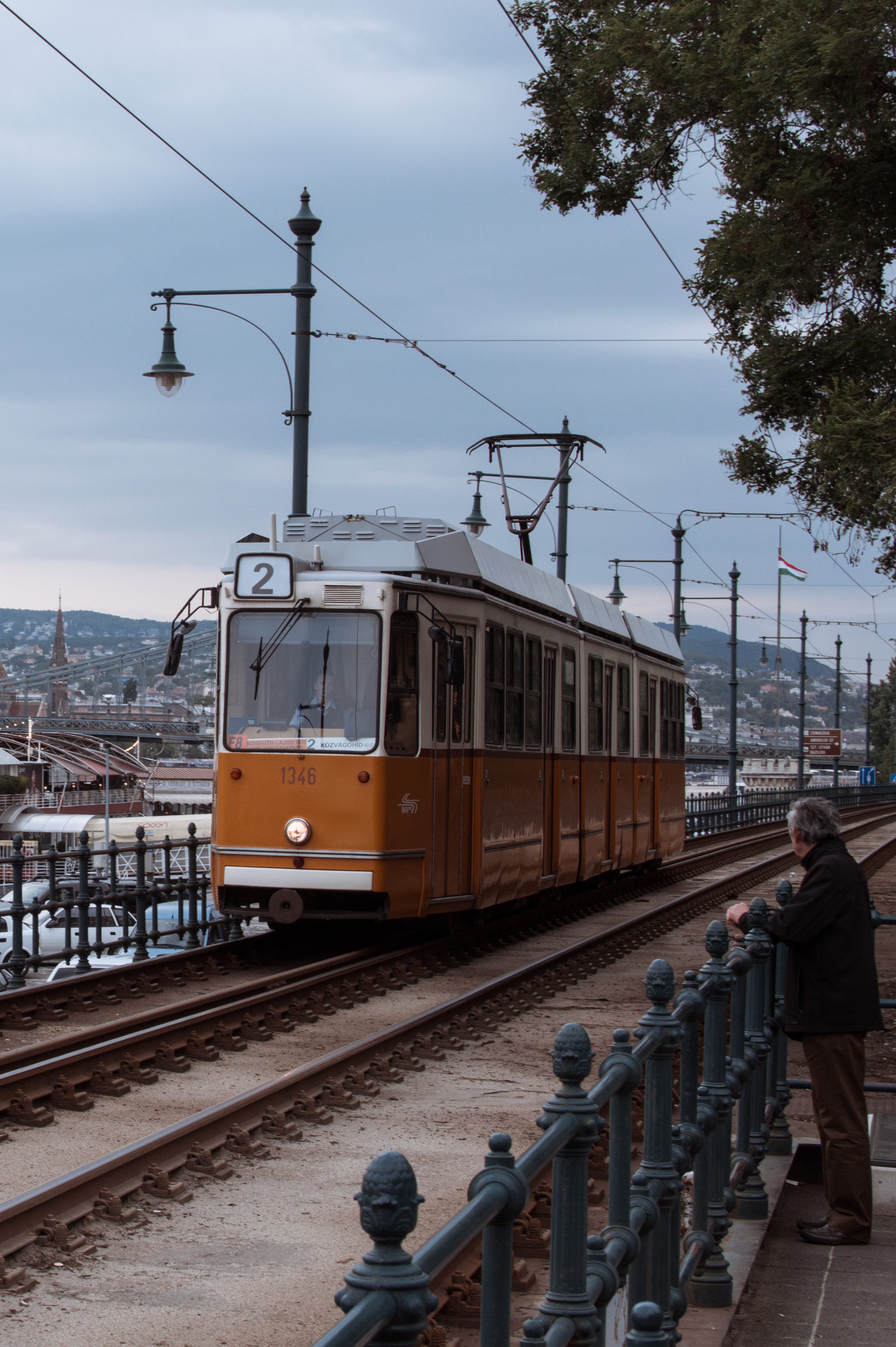
Surveying the car for any sign of disorder the man noticed, scrawled in marker beneath one of the windows, a slur that partially applied to him. At night with the train empty, the bright lights and lack of motion emphasizing this secondary state, the word inflated. The man had never been called the word, partly due to geography and likely due to a desire to avoid association with the term, but he had seen it thousands of times, and in the moment he readied his supplies to clean the stain. As he cleaned, he imagined the daytime bustle of the train and pictured the vandal, concealing their effort to leave a mark, any sort of mark, anywhere. The man pitied the vandal, such a small mark, such a hollow message, such impermanence: after several minutes the word was gone. To his perpetual dismay, compensation for the train cleaners was not based on volume of grime removed, rather time spent removing.
On this particular evening, in March with the air a balmy median between winter and spring, the man was eager to finish his shift so he could return home and take his small dog for an evening walk, eat dinner, and finish a painting he had started earlier in the week. He emptied the waste bin, returned the cart to the closet, and walked to catch an active train for the 7 stops it took to get home.
Opening the door to his apartment, the man was eagerly greeted by his small, white dog. He affixed the leash and proceeded with his dog to a nearby park. The streetlights at this hour created a sense of serenity, by focusing and detaching the man could view the world in a state which to him was it’s purest. Occasionally his dog would stop to urinate on a pole or tree, the man desired to spend one afternoon inside the mind of his dog.
Upon returning home the man ate a quiet dinner, cleared the table, and pulled his paint cart alongside. He sat down and pulled a thick sheet of paper from the other side of the table. The outline of a train car interior had been drawn in pen and a watercolor wash had been applied to the background. The interior was not pristine, rather covered in debris, small marks of graffiti, and various aspects of imperfection. Retrieving a small pen, the man carefully drew the word he had removed from the real train several hours prior. This car was now finished, the man retrieved a new sheet of paper and began to draw another.
This practice had started several years prior, and the man was unsure why exactly he found meaning in this act of transfer. A corner of his apartment was stacked high with images of tarnished train car interiors, for while he had great commitment, he lacked an audience, and his work remained his own.
The next day the man headed to work. He boarded a train car he had seen before and took a seat for the 7 stop ride. The man had the rare pleasure of his workplace accompanying his commute, and he could never decide whether the natural state of the train car was empty or full. Its function was to carry people, but with people onboard, it never functioned perfectly. Without maintenance it would cease to function altogether. Was the man a part of the train? Perhaps his maintenance was what made its passenger-state natural after all.